
.png)

What Recovery Housing Gives Women in Early Sobriety
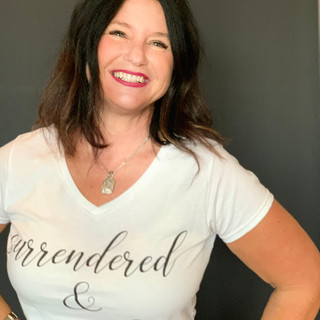
The first days without alcohol, marijuana, or prescription medication can feel painfully quiet. A woman may want freedom with all her heart, yet still wake up anxious, ashamed, lonely, or unsure of what to do next. Recovery housing gives that desire for change a place to take root - not in isolation, but in a home where sobriety, structure, and spiritual renewal are practiced day by day.
For many women, recovery is not simply about stopping a substance. It is about learning how to live without reaching for it when life hurts. It is about rebuilding trust, facing patterns that have kept them stuck, and surrendering the belief that they have to carry everything alone. A Christ-centered recovery residence can offer a steady beginning for that work.
What Is Recovery Housing?
Recovery housing is a sober residential setting for people who need support as they begin or continue recovery from substance use. It is not the same as a hospital, medical detox program, or inpatient clinical treatment center. Rather, it is a safe, substance-free home where residents can build healthy rhythms, receive guidance, and live alongside others who are pursuing sobriety.
The right setting provides more than a bed. It creates boundaries around a season when old environments, relationships, and routines can pull a woman back toward relapse. In recovery housing, she has space to step away from immediate triggers and begin making different choices with support close by.
This kind of care is especially meaningful for women who have spent years trying to manage addiction privately. She may have hidden bottles, minimized marijuana use, taken more medication than prescribed, or promised herself each morning that this time would be different. Shame often thrives in secrecy. Healing begins when a woman can be known, tell the truth, and still be met with dignity.
Why Structure Matters in Early Recovery
Addiction can make life feel unpredictable. Sleep is disrupted. Relationships become strained. Meals, work, finances, hygiene, and responsibilities may all become harder to manage. Even after a woman stops using substances, those challenges do not disappear overnight.
A structured home gives her a way to practice a new life before she has to sustain it entirely on her own. Regular meals, a consistent schedule, group instruction, recovery meetings, household expectations, and personal coaching may seem simple, but they teach stability. These daily practices help replace crisis-driven living with intentional choices.
Structure is not punishment. It is support. It says, "You do not have to figure out every next step by yourself." It also creates accountability, which is vital when cravings, grief, conflict, or discouragement show up. A woman in recovery needs people who will encourage her with compassion and also lovingly challenge her to remain honest.
There is a trade-off, of course. Residential recovery requires a willingness to live within community expectations and follow a program schedule. For someone used to doing everything independently, that can feel uncomfortable at first. Yet healthy limits often become the very thing that makes lasting freedom possible.
Recovery Needs More Than Willpower
Willpower may help someone make a promise, but it rarely carries her through the deeper work of recovery. Women need practical tools for handling stress, difficult emotions, family tension, and the moments when an old urge feels familiar and convincing.
They also need to understand their personal patterns. What situations make them vulnerable? What lies have they believed about themselves? What pain has gone unspoken? What does it look like to ask for help before a relapse begins?
Individualized recovery planning and coaching can help make these questions personal rather than theoretical. One woman may need to rebuild confidence after years of isolation. Another may need to create a safe plan for returning to work or reconnecting with family. Another may be grieving losses that substance use helped her avoid for a long time. Recovery is shared in community, but each woman’s path requires personal care.
A Faith-Centered Home Changes the Conversation
For women who desire Christian recovery, faith is not an extra activity added to a treatment plan. It is the foundation for understanding who they are and where true hope comes from. Addiction may have spoken loudly, but it does not have the final word over a woman’s identity.
A biblically based recovery environment invites women to bring their whole story before God. That includes the parts they wish they could erase: the relapse, the broken relationship, the consequences, the fear of failing again. In Christ, confession is not meant to lead to condemnation. It leads toward forgiveness, truth, and the possibility of becoming new.
Scripture, prayer, and fellowship with sisters in Christ can strengthen recovery in ways that reach beyond behavior change. Women learn to surrender control, receive grace, and develop the Fruit of the Spirit in everyday life. Love, self-control, peace, patience, and faithfulness become more than words on a page. They become qualities practiced when emotions run high, when a hard conversation is needed, or when temptation appears.
Faith does not make recovery easy. It does make it possible to face recovery with hope that is stronger than a woman’s past. God meets people in the honest work of healing, one surrendered day at a time.
What to Look for in a Recovery Residence
Not every recovery residence serves the same needs. Before choosing a home, women and families should ask clear questions about the program’s structure, beliefs, expectations, and support after the residential stay ends.
Look for a setting that is honest about what it provides. A recovery home should be clear about whether it offers medical care, clinical therapy, medication support, transportation, employment assistance, or referrals for services outside the home. A woman who needs medical detoxification or urgent mental health care should receive appropriate professional help before entering a non-medical residential setting.
It is also wise to consider the home’s culture. Is it safe, clean, and welcoming? Are expectations consistent? Do leaders understand addiction with both wisdom and compassion? Is there room for personal coaching, not just a one-size-fits-all schedule? Does the program help residents plan for life after they leave?
Aftercare matters because the transition home can be one of the most vulnerable parts of recovery. A woman may leave a supportive environment and immediately face old pressures, familiar places, or people who do not understand what she is trying to protect. Continued recovery coaching can help her stay connected, identify challenges early, and keep moving forward.
At Selah House Recovery, women receive a structured 40-day model that includes 30 days in residence followed by 10 days of recovery coaching and transitional aftercare. The goal is not to create dependence on the house. It is to help women leave with stronger recovery tools, a clearer plan, and a community that has reminded them they are not alone.
For Families, Pastors, and Loved Ones
When someone you love is struggling, it is natural to want a quick answer. You may feel exhausted from promises, worried about another relapse, or unsure whether helping has become enabling. Recovery housing can be a meaningful option, but it works best when it is part of an honest, informed plan.
You can support a woman without rescuing her from every consequence. Speak with love, but do not minimize the seriousness of addiction. Encourage her to seek a setting where sobriety is protected and where she can receive real accountability. If she is hesitant, remember that fear is common. The decision to seek help often begins with one safe conversation.
Most of all, do not reduce her to her addiction. She is a woman created in God’s image, worthy of truth, care, and an opportunity to begin again. Recovery may be hard work, but no one is beyond the reach of grace. The next faithful step can be as simple as admitting, "I need a different way to live," and allowing a caring community to walk with her toward freedom.


Comments